Lagging the pipes
The pipe most likely to freeze is the one nobody looks at. A tube of foam and fifteen minutes in the loft changes that.

What the job needs
- Foam pipe-lagging sleeves (pre-slit polyethylene tube, 15 mm and 22 mm diameter are most common)
- Duct tape or self-adhesive lagging tape
- A tape measure and a sharp knife or scissors
- Nothing else
What you're doing and why
Accessible cold-water pipes in an unheated loft sit in the coldest air in the house. When the temperature outside drops below freezing — and stays there overnight — those pipes can freeze, split, and flood the ceiling below when they thaw. Lagging them with foam sleeves is the one job that stands between you and a very expensive morning.

The foam used for this is pre-slit polyethylene tube, sold in lengths of about a metre, in diameters sized to match standard pipe sizes. The two most common are 15 mm and 22 mm, matching the most common copper or plastic pipe runs in a domestic loft. If you have offcuts already in a shed or garage, now is the time to find them.
How to do it
Start by measuring the runs you want to cover. In most lofts this means the cold-feed pipe from the main storage tank and any branch pipes leading down into the house — these are the ones most exposed to cold air and least protected by residual heat from below. Pipes directly over or embedded in loft insulation are less vulnerable, but worth covering if you have enough material.
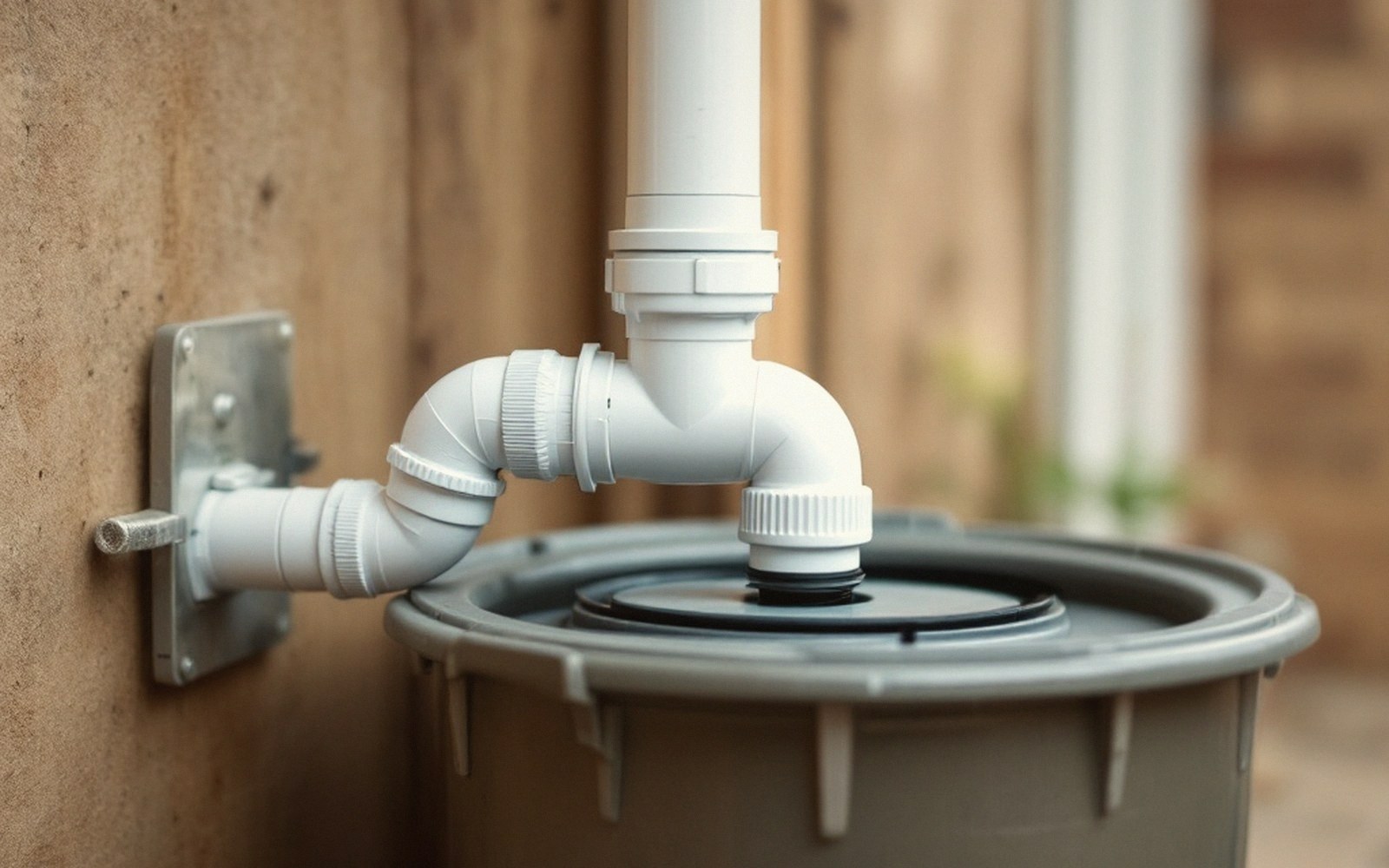
The sleeves split lengthwise along one side so they clip over the pipe without disconnecting anything. Press the slit open, snap it over the pipe, and press it closed again — the foam grips itself. Butt lengths end-to-end as tightly as you can. At bends, make short angled cuts on the inside of the curve so the sleeve can fold around without gapping; a gap is where the frost gets in. Seal joins and bends with ordinary duct tape or, better, the self-adhesive tape sold specifically for pipe lagging.

Pay special attention to where pipes pass through the loft floor: the gap around the pipe is a cold-air channel leading straight from the loft into the floor void. A collar of foam or a rag pushed lightly around the pipe at that point closes the route.
The cold-water storage tank itself — if you have one — should have a close-fitting lid and insulation on all sides except the base; heat rising from below is the only warmth it gets, so leave the underside bare.
How you know it worked
Run your hand along each sleeve once you're done. Any section that feels distinctly colder than the rest has a gap underneath. Press it closed and tape it. The job takes longer to plan than to do, and the material costs almost nothing if you shop the shed before you shop anywhere else.
Where we stop
No mains electricity, gas, water mains, boilers, flues, roofs, ladders past single storey, structural work or anything requiring a qualified person. If a job could hurt somebody, it is not in this register.