Mending instead of replacing
The tools you already own are enough for most small repairs. Here is where to start.

Four repairs at a glance
- Zip slider — close the slider gap with pliers; the teeth are rarely the problem
- Darned hole — woven in two directions over a rounded former; leave slack on each pass
- Chair joint — clean old glue from both surfaces before applying fresh PVA; clamp overnight
- Puncture — wait for solution to go tacky before applying patch; skip this and it fails
Start with what breaks most often
Zips, worn fabric, wobbly chair joints, punctured inner tubes — these are the things people throw away not because they are irreparable but because nobody showed them how. Each repair takes less than an hour of hands-on work, and every one of them needs only what is already in a kitchen drawer or under the sink.

The principle is the same for all of them: find out exactly what has failed before you start. Most zip problems, for instance, are not the teeth at all — the slider has widened slightly and no longer grips them together. Closing the slider's gap with a pair of pliers, gently and a little at a time, fixes the thing in under five minutes. The teeth themselves almost never need replacing. A zip is a good first repair precisely because the failure mode is so predictable and the fix so small.
Four repairs that repay learning
Darning a hole in fabric sounds antiquated, but the technique is sound: you weave new thread back across the gap rather than pull the edges together and create a puckered seam. The woven patch distributes the stress over a wider area, which is why it lasts longer than a stitched repair. A blunt-ended darning needle, whatever thread you have, and something round to hold the fabric taut — a smooth stone works as well as any darning mushroom — are the only requirements. Work in two directions at right angles and leave yourself a little slack on each pass; pulled-tight threads shrink when washed and the whole thing puckers anyway. For a thorough method, the darning guide goes through each step.
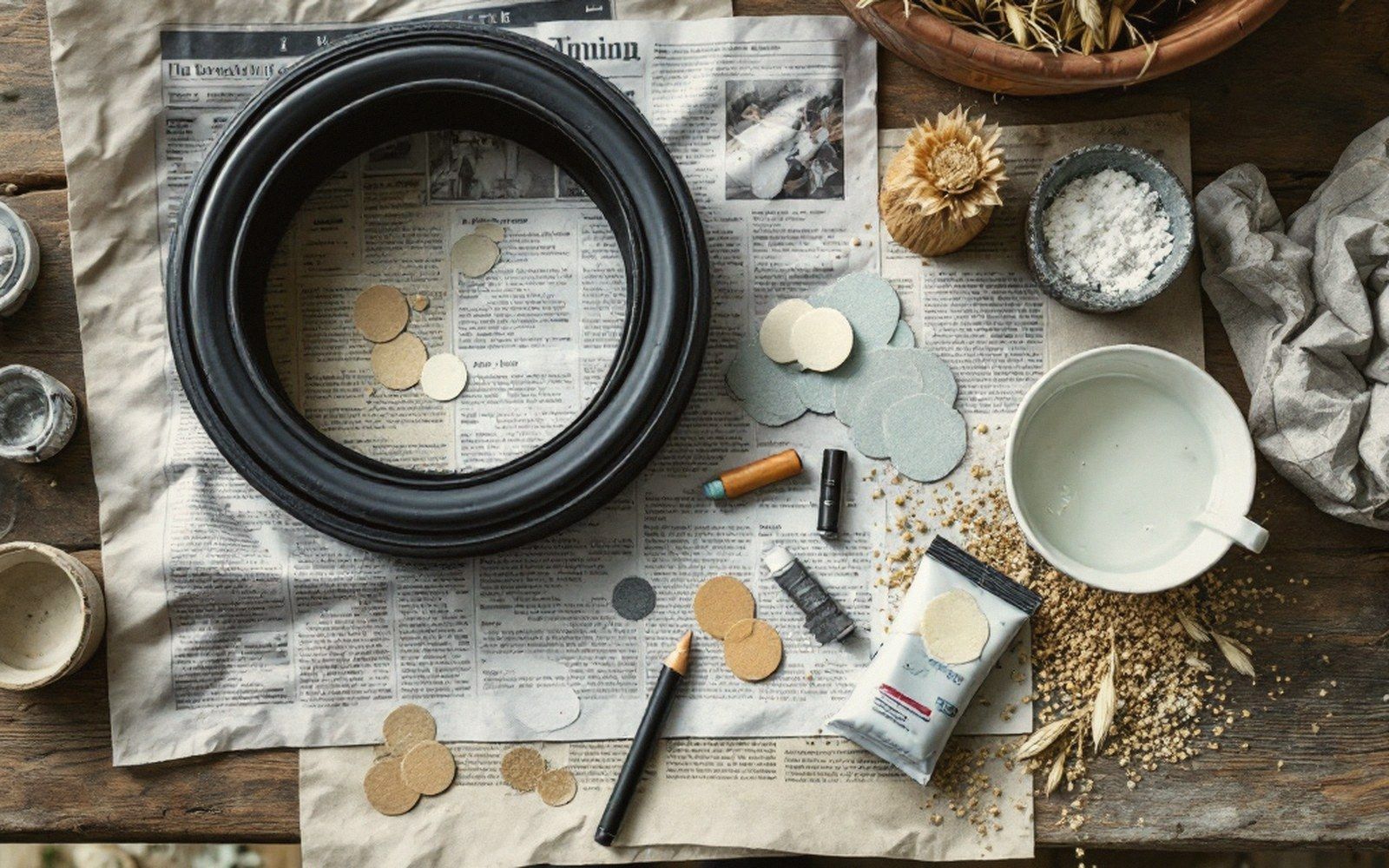
A wobbly chair joint is almost always old glue that has dried out and crumbled, leaving a gap the tenon can rock in. The common mistake is squirting new adhesive into the gap without cleaning the old material out first. Old PVA sets hard; new glue cannot bond to it reliably. Pull the joint apart — most wooden chair joints will separate without force once the glue has failed — scrape the surfaces back to clean wood with a knife or stiff brush, apply fresh PVA, and clamp it firmly while it cures. Leave it overnight; sitting on it after two hours is how the repair fails a second time.
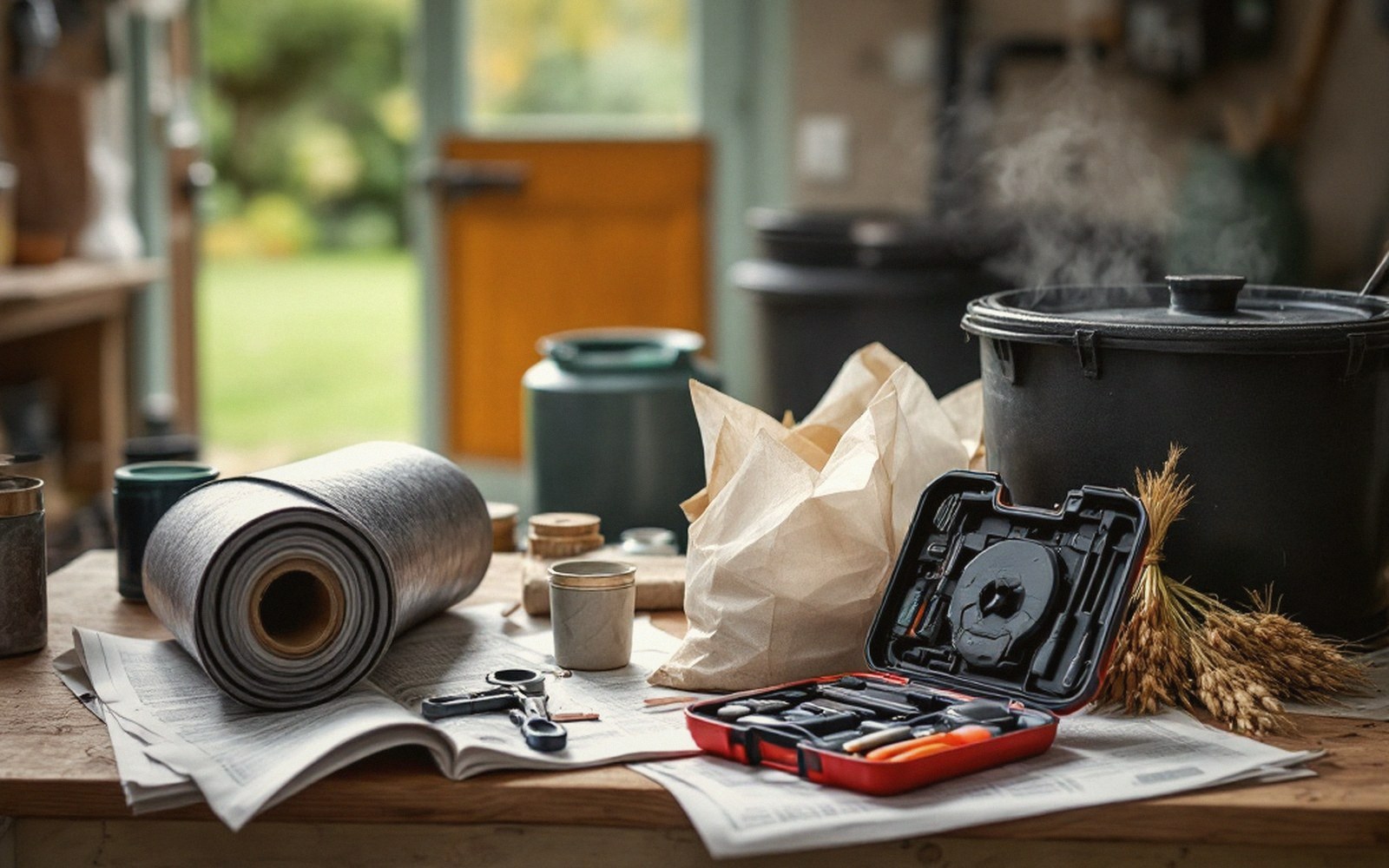
Finding and patching a puncture in a bicycle tyre or inflatable is a method rather than a product: inflate, submerge, watch for bubbles, mark the spot, let it dry, roughen the surface, apply a thin layer of solution, wait for it to go tacky — this is the step people skip — then press the patch down hard and hold it for at least a minute. The waiting before the patch goes on is not optional; wet solution does not bond. Dry it is a contact adhesive, and contact is what makes it stick.
Darning a hole in fabric sounds antiquated, but the technique is sound: you weave new thread back across the gap rather than pull the edges together and create a puckered seam.
Regluing a sole that has started to lift from a shoe or boot follows the same logic: clean both surfaces, roughen them lightly, apply adhesive to both, wait until both feel dry to the touch, then press firmly together and clamp or tape tightly for several hours. The two-surface method is important — one surface is not enough.
The habit underneath the repairs
None of these jobs demands skill in advance. They demand attention to what has actually failed, patience during the curing or drying step that every repair includes, and the willingness to stop before the object goes in the bin. Irreversible damage is rarer than it looks. Frayed edges, cracked joints, separated soles, slow punctures — these are structural failures, not material ones, and structure is what adhesive, thread and patience repair.
A sewing kit, a tube of PVA, a tube of contact adhesive and a puncture kit cover most household breakages. Buy them once and they last for years.
Where we stop
No mains electricity, gas, water mains, boilers, flues, roofs, ladders past single storey, structural work or anything requiring a qualified person. If a job could hurt somebody, it is not in this register.